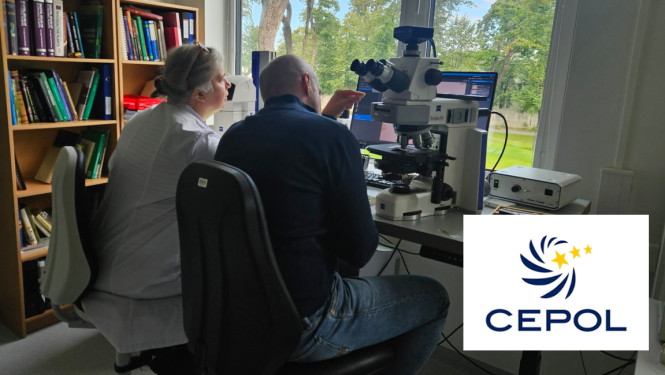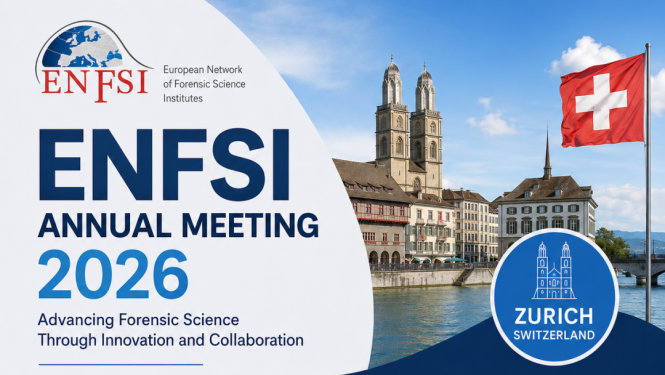
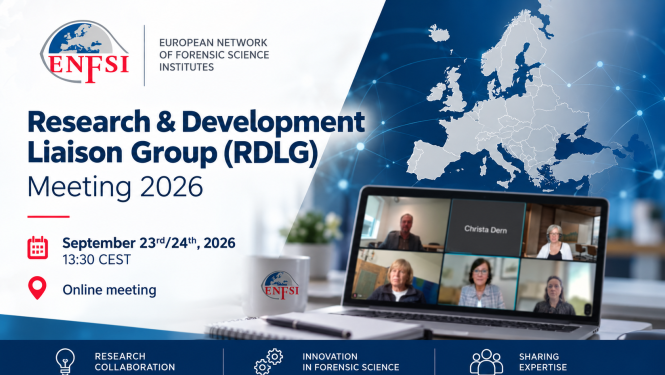
Today, on 24 September, at the meeting of the Research and Development Liaison Group (RDLG) of the European Network of Forensic Science Institutes (ENFSI), SFSB Deputy Director Raimonds Apinis shared the State Forensic Science Bureau’s experience in developing new forensic capabilities. With funding from projects supported by the European Anti-Fraud Office (OLAF) under the Hercule III Programme and the EU Anti-Fraud Programme (UAFP), the State Forensic Science Bureau has significantly expanded…
Today, on 24 September, at the meeting of the Research and Development Liaison Group (RDLG) of the European Network of Forensic Science Institutes (ENFSI), SFSB Deputy Director Raimonds Apinis shared the State Forensic Science Bureau’s experience in developing new forensic capabilities. With funding from projects supported by the European Anti-Fraud Office (OLAF) under the Hercule III Programme and the EU Anti-Fraud Programme (UAFP), the State Forensic Science Bureau has significantly expanded its capabilities in forensic document dating and introduced a new type of forensic examination in Latvia and the Baltic States — plant and animal DNA analysis.